
.png)
Discovering the Best Home AC Systems
When the heat hits, having a reliable air conditioning system is a must. I’ve spent time researching and testing different cooling solutions to find the best fit for homes in Houston, Humble, Spring, and nearby areas. Choosing the right system can make a big difference in comfort and energy bills. Let’s explore the top home AC systems and what makes each one a good choice.
Understanding Different Home AC Systems
There are several types of home AC systems available. Each has its strengths and weaknesses depending on your home size, budget, and cooling needs. Here are the main types:
Central Air Conditioning: This is the most common system for whole-home cooling. It uses ducts to distribute cool air evenly throughout the house. It’s efficient for larger homes but requires ductwork.
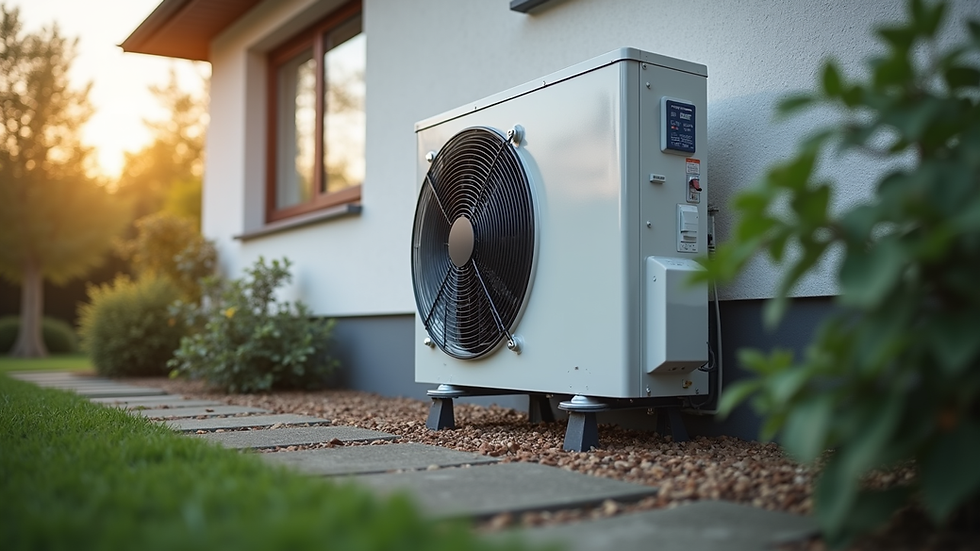
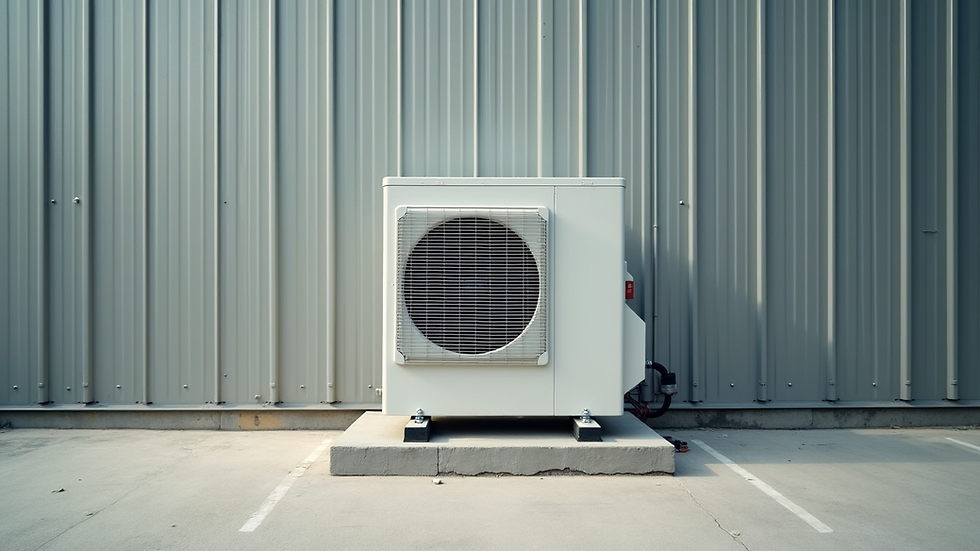
Ductless Mini-Split Systems: These are great for homes without ducts. They have an outdoor compressor and one or more indoor air handlers. You can control each room separately.
Window Units: These are affordable and easy to install. They cool single rooms and are best for small spaces or supplemental cooling.
Portable Air Conditioners: These units can be moved from room to room. They don’t require installation but are less efficient than other options.
Evaporative Coolers: Also called swamp coolers, they work best in dry climates by adding moisture to the air while cooling.
Each system has pros and cons. For example, central AC is powerful but can be costly to install if you don’t have ducts. Mini-splits offer flexibility but might have a higher upfront cost. Window units are budget-friendly but noisy and less efficient.

Choosing the Right Home AC Systems for Your Space
Picking the right system depends on your home’s layout and your cooling needs. Here are some tips to help you decide:
Assess Your Home Size: Larger homes usually need central AC for even cooling. Smaller homes or apartments might do well with mini-splits or window units.
Check for Existing Ductwork: If your home already has ducts, central AC is often the easiest upgrade. Without ducts, mini-splits or portable units are better.
Consider Energy Efficiency: Look for units with a high SEER rating (Seasonal Energy Efficiency Ratio). Higher SEER means lower energy bills.
Think About Installation and Maintenance: Central AC and mini-splits require professional installation. Window and portable units can be installed by homeowners.
Budget Wisely: Factor in upfront costs and long-term energy savings. Sometimes spending more initially saves money over time.
If you want to explore more about home air conditioning options, you’ll find detailed guides and expert advice to help you make the best choice.
Is AC Good for BP Patients?
Many people wonder if air conditioning is safe for those with blood pressure (BP) issues. The answer is yes, but with some considerations.
Air conditioning helps maintain a stable indoor temperature, which can prevent heat stress. Heat stress can raise blood pressure and cause discomfort. Keeping your home cool can reduce these risks.
However, very cold air or sudden temperature changes might cause blood vessels to constrict, which can affect blood pressure. It’s best to set your AC to a comfortable, moderate temperature—usually between 72°F and 78°F.
Also, ensure your AC system is clean and well-maintained. Poor air quality or mold growth in AC units can cause respiratory problems, which might indirectly affect blood pressure.
In summary, air conditioning is generally good for BP patients when used wisely. It helps avoid heat-related spikes in blood pressure and keeps the environment comfortable.

Energy Efficiency and Cost Considerations
Energy efficiency is a top priority when choosing an AC system. Efficient systems save money and reduce environmental impact. Here’s what to keep in mind:
SEER Ratings: The higher the SEER rating, the more efficient the system. Modern central AC units often have SEER ratings between 14 and 22.
Energy Star Certification: Look for Energy Star-labeled products. These meet strict efficiency guidelines.
Variable Speed Compressors: These adjust cooling output based on demand, saving energy.
Programmable Thermostats: They help control temperature and reduce waste by adjusting settings when you’re away.
Regular Maintenance: Clean filters and tune-ups keep systems running efficiently.
Cost varies widely. Central AC installation can range from $3,000 to $7,000 or more depending on size and complexity. Mini-splits usually cost between $2,000 and $5,000. Window units are the cheapest, often under $500.
Remember, investing in a quality system with good efficiency pays off in lower utility bills and longer equipment life.
Installation and Maintenance Tips
Proper installation and maintenance are key to getting the most from your AC system. Here’s what I recommend:
Hire Licensed Professionals: Especially for central AC and mini-splits. Proper installation ensures efficiency and reliability.
Check for Proper Sizing: An oversized or undersized unit won’t cool well and wastes energy.
Keep Filters Clean: Replace or clean filters every 1-3 months.
Clear Debris Around Outdoor Units: Leaves and dirt can block airflow.
Schedule Annual Tune-Ups: A professional checkup can catch issues early.
Seal and Insulate Your Home: Good insulation keeps cool air inside and reduces workload on your AC.
Following these steps helps your system last longer and perform better.
Making Your Home Comfortable Year-Round
Choosing the right home AC system is just one part of staying comfortable. Pair your cooling system with good insulation, shading, and ventilation. Use ceiling fans to circulate air and reduce the need for lower AC settings.
If you live in Houston, Humble, Spring, or nearby, local climate conditions matter. High humidity means your AC should also dehumidify effectively. Some systems have built-in dehumidifiers or you can add standalone units.
Remember, comfort is personal. What works for one home might not work for another. Take time to evaluate your needs and consult with HVAC professionals to find the best solution.
Finding the best home AC system is about balancing comfort, efficiency, and cost. Whether you choose central air, mini-splits, or window units, the right system keeps your home cool and your energy bills manageable. For more detailed information on home air conditioning options, check out trusted resources and experts in your area. Stay cool and comfortable all year long!

Comments